
Chamomile
Matricaria recutita, Chamomilla recutita, Matricaria chamomilla
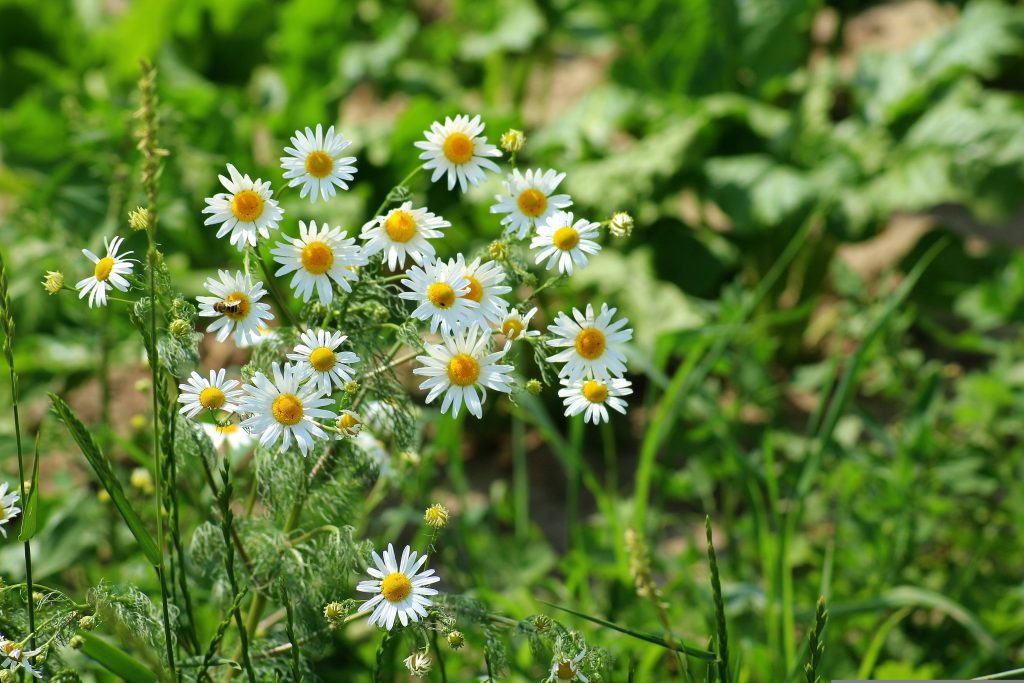
Source: https://www.morganloghouse.org/online-exhibitions/kitchen-garden/chamomile/
History
Chamomile is an annual plant that is know of by two varieties: German Chamomile otherwise known as Matricaria chamomilla and grows mostly in Eastern Europe, and Roman Chamomile, which is also known as Chamaemelum nobile, which thrives in Central Europe and North America. The word chamomile derives from the Greek word “chamomaela” and refers to its fragrant, apple-like scent.
Chamomile has been used for thousands of years and can be traced back to the days of ancient Egypt, Greece, and Rome. In Egypt, it was considered a scared herb to the Sun God Ra, and a universal remedy. Ancient Greek physicians, like Dioscorides, made frequent mention of prescribing the herb chamomile for a variety of ailments. The Romans, on the other hand drank chamomile as a healing beverage, and used it as incense.
The was the Romans who introduced chamomile to the rest of Europe as they marched on their military expeditions, and as trade routes opened, knowledge of chamomile spread to the Middle East and beyond. By the time of the Middle Ages, chamomile’s importance to European life was clean as Emperor Charlemagne’s famous decree Capitulare de villis listed chamomile among the essential herbs to be grown in every imperial garden. Monastic healers duly cultivated chamomile in their physic gardens, alongside sage and betony, to treat the sick.
Chamomile crossed the ocean to North America during the Age of Exploration. Settlers brought dried chamomile and seeds to the Americas in the 1600s, ensuring they had their familiar “cure-all” on new soil. Indigenous peoples of North America soon learned its properties as well, adding it to their own pharmacopoeias. By the Revolutionary War era, chamomile was so common in the Thirteen Colonies that patriot soldiers foraging for medicine turned to wild chamomile when supplies ran low.
In his 1911 publication of The Herb Garden, herbalist France’s A. Bardswell called chamomile “the plant’s physician”, describing the healing effects chamomiles have on their companion plants.
Medicinal Uses
- Anxiety
-
Insomnia
-
Indigestion & Bloating
-
Menstrual Cramps
-
Inflammation Relief
-
Skin Irritations & Eczema
-
Wound Healing
-
Cold & Sore Throat Relief
-
Immune Support
-
Mild Pain Relief
Recipe For Home
Basic Fresh Flower Chamomile Tea
Ingredients:
- 1 handful of fresh chamomile flowers (increase petal amounts for stronger tea)
- 8 ounces boiling water
- 2 apple mint leaves OPTIONAL
Instructions:
- Harvest the fresh flowers by removing the entire flower head from the stem. Rinse the chamomile flowers in warm water and pat dry. Chamomile tea is best made using freshly harvested flowers. If necessary, it is possible to store flowers in the refrigerator for up to 48 hours. Wrap the petals in a wet paper towel and store in an airtight container.
- Boil water in a tea kettle or large pot on the stove. Infusion tea kettles are the best option for fresh flower teas since they have built-in devices to keep the petals separated. Alternatively, you can use another infusion device such as a tea ball or cheesecloth as a makeshift tea bag. Always use pure or spring water and not hot tap water when brewing tea to preserve flavors.
- Place flower petals in an infuser and let the tea steep in the kettle or pot for 5 minutes.
- Remove the flower petals and optional mint leaves before pouring into a teacup. Enjoy!
When to Use:
-
Before bed to help with sleep
-
After meals to soothe indigestion
-
During the day to relieve stress or nervous energy
Source: https://senchateabar.com/blogs/blog/how-to-make-chamomile-tea